Unraveling the psychological triggers behind gambling behavior
The allure of risk-taking
Gambling inherently involves risk, and this thrill attracts many players. The psychological concept of sensation seeking plays a pivotal role here; individuals with high sensation-seeking traits are often drawn to activities that provide excitement. For some, placing a bet or spinning a slot machine taps into an adrenaline rush that is hard to replicate in everyday life. This pursuit of excitement can lead to repetitive gambling behavior as players seek to prolong the emotional high they experience. Many players are now flocking tobrangocasino-nz.org to explore various games.

Moreover, the unpredictability of gambling outcomes adds to its allure. The anticipation of winning, coupled with the potential for substantial rewards, creates a compelling cycle. This unpredictability fuels a desire to gamble again and again, as players hope to replicate their previous successes or finally strike it big. This psychological mechanism often overshadows the risks involved, making it easy for individuals to lose sight of their financial limits.
The concept of loss aversion also plays a significant role in gambling behavior. Research indicates that people are more motivated to avoid losses than to achieve gains. This means that even when players experience a loss, the thought of recouping that money can trigger a strong emotional response, driving them to continue gambling in hopes of winning back what they lost. This cycle can lead to a dangerous pattern of behavior, where individuals chase losses and become increasingly engrossed in the gambling experience.
The impact of cognitive biases
Cognitive biases significantly influence gambling behavior by distorting a player’s perception of odds and probabilities. One common bias is the illusion of control, where gamblers mistakenly believe they can influence the outcome of a game, particularly in games of chance. This false sense of control can lead players to engage in more gambling activities than they would otherwise. For instance, a player might think that their choices affect the roll of dice or the shuffle of cards, prompting them to bet more frequently.
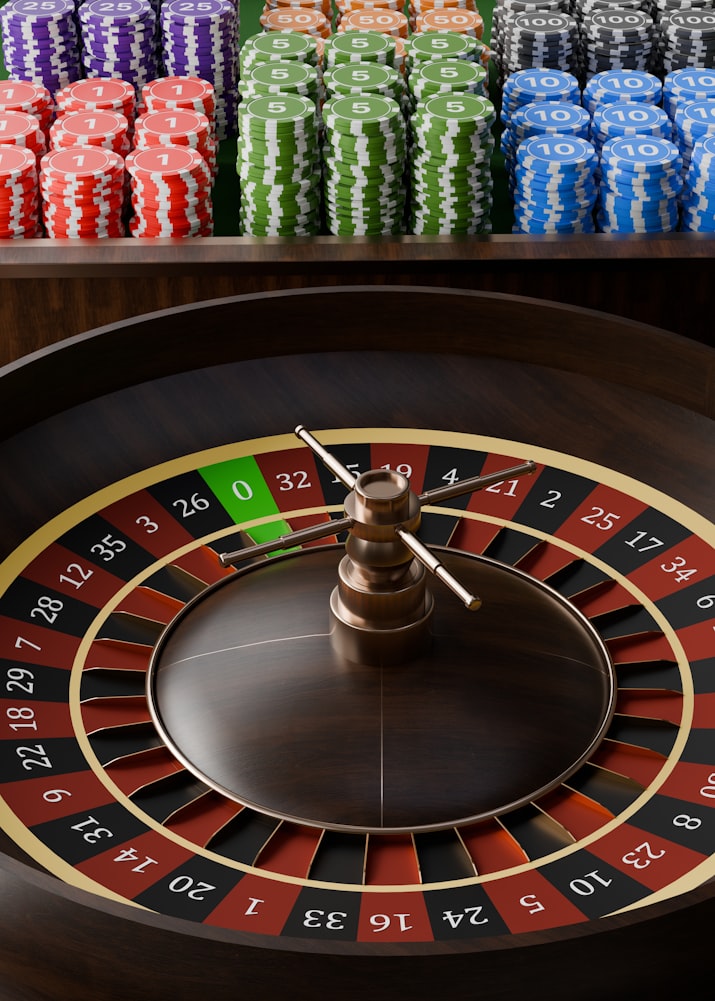
The gambler’s fallacy is another cognitive bias that can drive gambling behavior. This bias leads individuals to believe that past outcomes influence future events, even in random games. For instance, if a roulette wheel lands on red several times in a row, a gambler might incorrectly assume that black is “due” to come up next. This kind of thinking can encourage players to make irrational bets, reinforcing the compulsive nature of gambling.
Additionally, the availability heuristic may lead gamblers to overestimate the frequency of wins, particularly when they recall stories of large jackpots or notable wins. This skewed perception of reality can reinforce gambling behavior, as players may feel more optimistic about their chances of winning than the odds would suggest. Together, these cognitive biases create a breeding ground for compulsive gambling and perpetuate the cycle of risk-taking.
The role of emotions
Emotions play a critical role in gambling behavior, often dictating how individuals engage with gaming activities. Positive emotions, such as excitement and joy, can enhance the gambling experience, leading players to indulge more frequently. Conversely, negative emotions, including stress and anxiety, can also prompt gambling as a coping mechanism. Many individuals turn to gambling to escape from everyday pressures, believing that a potential win might alleviate their troubles.
Furthermore, the emotional highs and lows associated with gambling create a rollercoaster effect that some individuals find addictive. The euphoria of a big win can lead to a false sense of security, encouraging further gambling. On the flip side, a loss can provoke frustration or despair, driving players to chase losses in an attempt to regain their prior emotional state. This interplay between highs and lows can create a cyclical pattern, where emotional responses dictate gambling frequency.
Additionally, social factors can influence emotional responses to gambling. The presence of friends or fellow players can amplify feelings of excitement, making the experience more enjoyable and increasing the likelihood of repeated gambling. Many individuals associate social interactions in gambling environments with positive emotions, further contributing to their desire to continue playing. This blend of emotion and social engagement can heighten gambling behavior, leading to more substantial financial commitments over time.
The influence of environment
The gambling environment significantly affects behavior and decision-making. Physical settings, such as casinos or online platforms, are meticulously designed to create a specific atmosphere that encourages prolonged play. Bright lights, enticing sounds, and a welcoming ambiance can draw players in, making them feel more inclined to gamble. These carefully crafted environments are designed to stimulate the senses, fostering a sense of excitement that keeps players engaged.
Online gambling environments also have unique psychological triggers. Features like instant access to games, promotional offers, and social interaction through chat rooms can create an immersive experience that captivates players. The convenience of online platforms allows individuals to gamble without the constraints of time or location, making it easier for them to engage in frequent gambling behavior. This unrestricted access can lead to impulsive decisions and increased betting.
Moreover, the role of marketing in the gambling environment cannot be understated. Promotions, bonuses, and advertisements are strategically designed to attract and retain players. These marketing tactics often exploit psychological triggers, emphasizing the potential for large rewards while downplaying the risks. As players are bombarded with enticing offers and success stories, their desire to participate may grow, resulting in increased gambling behavior and potential financial loss.
Brango Casino: A player-centric approach
Brango Casino stands out in the online gaming landscape by prioritizing player experience and well-being. With an extensive selection of over 160 premium games, this platform offers something for every type of player. From classic table games to the latest slot machines, Brango Casino caters to diverse preferences, ensuring that players can find entertainment that resonates with them. The user-friendly interface and responsive customer support further enhance the overall gaming experience.
Understanding the psychological triggers behind gambling behavior, Brango Casino implements responsible gaming measures. The platform encourages players to set limits on their deposits and playtime, helping them maintain control over their gambling activities. Additionally, Brango Casino promotes awareness about the risks of gambling, empowering players with information to make informed choices. This commitment to responsible gaming creates a safer environment for players, fostering a healthier relationship with gambling.
As more individuals explore online gaming options, Brango Casino remains a trusted choice for Kiwi players. By emphasizing fair play, secure transactions, and a seamless gaming experience, the platform aligns with the evolving needs of the online gaming community. With its generous welcome bonus and focus on player satisfaction, Brango Casino not only meets the demands of its audience but also supports responsible gambling practices for a balanced approach to entertainment.